

Blog Book a Property Valuation
THE DARTMOOR OFFICE, ASHBURTON: 01364 652652
THE TEIGN VALLEY OFFICE, CHUDLEIGH: 01626 852666
THE HIGH MOOR OFFICE, MORETONHAMPSTEAD: 01647 441104
ASSOCIATED PARK LANE OFFICE: 0207 079 1448

 
23Jul


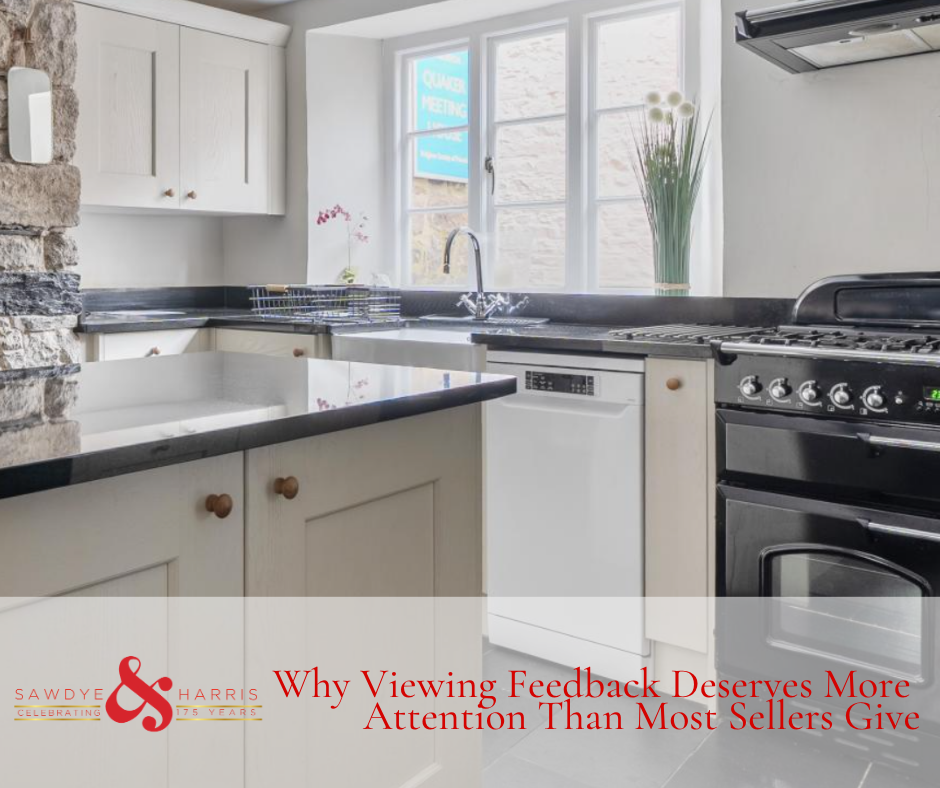
Most landlords do not struggle because they lack common sense. Problems usually arise because a situation has been allowed to drift, conversations have become emotional, or the correct steps were not recorded at the time.


A difficult tenant can mean many things. It may involve late rent, repeated complaints, poor communication, damage, nuisance, refused access or a relationship that has simply broken down. Whatever the issue, the landlord’s response needs to remain calm, consistent and properly documented.


The aim is not to win an argument. It is to protect the tenancy, the rental home and your financial position.


Deal with the facts, not the frustration


When a tenant is causing concern, start by separating what you know from what you suspect.


Write down exactly what has happened, when it happened and what evidence you have. Avoid broad statements such as “the tenant is always difficult” or “they never respond”. Record the dates of missed payments, unanswered messages, refused appointments or reported incidents.


This matters because decisions should be based on a clear pattern of behaviour, not a single difficult conversation.


It also helps you communicate more effectively. A message that says, “The rent due on 1 July has not been received” is clearer than one that says, “You are constantly paying late.”


Specific communication is harder to dispute and less likely to inflame the situation.


Keep communication calm and in writing


A landlord may understandably feel angry when rent is unpaid or a rental home is not being looked after. However, emotional messages rarely improve matters.


Keep communication polite, direct and focused on the next step. Confirm important telephone conversations in writing afterwards so there is a record of what was discussed.


A useful message should explain:


  • What the issue is

  • What needs to happen

  • When it needs to happen

  • What the next step will be if it is not resolved

  •  

Do not send a stream of messages across several platforms. Keep communication organised and use one clear channel where possible.


You should also avoid making threats you cannot or should not carry out. Statements made in frustration can weaken your position and make a manageable issue harder to resolve.


Act early when rent is late


One of the most common mistakes landlords make is waiting too long before addressing missed rent.


A late payment does not always mean the tenancy is heading for serious arrears. It could be an administrative error, a banking issue or a temporary problem. The first step should usually be a prompt, straightforward message asking the tenant to confirm when payment will be made.


Where there is a genuine short-term problem, a clear written repayment plan may be appropriate. It should state how much will be paid, on which dates, and how the normal rent will continue.


Do not accept vague promises such as “I’ll catch up soon”. A plan without dates and figures is difficult to manage and even harder to rely on.


Keep an accurate rent schedule showing every amount due, received and outstanding. This should be updated whenever a payment is made. Poor records can create confusion at exactly the point when clarity matters most.


Do not confuse access with control


Some landlord and tenant disputes begin when access is handled badly.


Landlords may need to arrange inspections, repairs, safety checks or valuations, but tenants are entitled to use the home without unnecessary interference. Turning up without proper notice or repeatedly demanding access can damage the relationship.


Give clear written notice, explain why access is needed and offer reasonable appointment options.


If a tenant refuses access, do not simply let the matter disappear. Ask why they are refusing, offer alternatives and keep a record of each attempt.


Where the issue relates to an urgent repair or a necessary safety matter, take advice before deciding what to do next. A tenant’s refusal does not remove the landlord’s responsibilities, but it does not automatically give the landlord the right to enter. 


Investigate complaints properly


Complaints about noise, antisocial behaviour, damage or poor upkeep should be taken seriously, but they should also be checked carefully.


A neighbour’s complaint is not automatically proof that the tenant has breached the tenancy. Ask for dates, times and details. Where appropriate, speak to the tenant and give them an opportunity to respond.


Avoid taking sides before you understand what has happened.


Some complaints turn out to be misunderstandings or one-off incidents. Others reveal an ongoing issue that needs firm action. The important point is to investigate consistently and keep records.


Where several neighbours are raising similar concerns, or the issue involves threats, criminal behaviour or immediate risk, it may need to be passed to the appropriate authorities rather than handled as an ordinary tenancy disagreement.


Be clear about standards and responsibilities


Tenants should understand what they are responsible for, but landlords must also recognise where their own obligations begin. 

A tenant may be expected to keep the home reasonably clean, report repairs and avoid causing damage. They should not, however, be blamed for wear and tear, structural problems or defects they did not cause.


This distinction is particularly important during inspections.


Describe what you have seen rather than making accusations. For example, “There is heavy condensation and mould around the bedroom window” creates a better starting point than “You are not ventilating the home properly.”


The cause may involve lifestyle, heating, ventilation, insulation or a combination of factors. Proper investigation protects both the tenant and the landlord.


Know when informal management is no longer enough


Not every tenancy problem can be solved through reminders and conversations.


If rent arrears continue, serious breaches are repeated, access remains refused or the relationship has broken down completely, the landlord may need to consider formal action.


This is the point to take professional advice before serving notices, making deductions, changing arrangements or beginning possession proceedings.


Small procedural mistakes can cause lengthy delays and additional expense. Acting quickly is useful, but acting correctly matters more.


Never change locks, remove belongings, cut off services or pressure a tenant to leave. Even where a landlord has strong grounds for action, the correct process must be followed.


Review what could have prevented the problem


Once the immediate issue is under control, look at how the tenancy was set up and managed.


Were references checked thoroughly? Was the inventory detailed enough? Were inspections carried out? Were repairs dealt with promptly? Were expectations explained clearly at the start?


Not every difficult tenancy can be predicted. However, strong referencing, clear records, regular communication and early intervention reduce the risk considerably.


Difficult tenants require more than firmness. They require discipline, accurate records and a clear understanding of what should happen next. Landlords who stay calm and deal with problems early usually protect themselves far better than those who wait until the situation becomes urgent.


We’d love to have a chat with you about how the new legislation will affect your decisions and investment properties going forward. Get in touch.
16Jul

When you are selling your home, it is natural to focus on the number. If one buyer offers more than another, it can feel obvious which one to choose.


But a good sale is not just about the price agreed at the start. It is about whether that buyer can actually get to exchange and completion, without unnecessary delays, renegotiation or collapse part way through.


This is one of the areas where sellers can make expensive mistakes. A high offer from an unprepared buyer can look attractive on day one, then become frustrating weeks later when paperwork is slow, finance is unclear or the chain starts causing problems.


The right buyer is not always the one who offers the most. It is the one who offers the strongest overall position.


Price matters, but certainty matters too


Every seller wants the best possible price. That is perfectly reasonable. The issue is that price and proceedability are not the same thing.


Two offers can look similar on paper but be very different in reality. One buyer may have their mortgage agreed, solicitor ready, deposit confirmed and no chain. Another may still need to sell, may not have spoken properly to a lender, or may be relying on a buyer below them who has not yet been checked.


The second buyer might offer more, but that does not automatically make their offer better.


A good estate agent should help you understand the full picture before you make a decision. That means asking proper questions, checking the buyer’s position and explaining the risks clearly, rather than simply presenting the highest figure and hoping it holds together.


What should be checked before accepting an offer?


A serious offer needs more than enthusiasm. Before agreeing a sale, you should know how the buyer is funding the purchase, whether they have a mortgage agreement in principle, how much deposit they have, whether they need to sell a property, and how far along their own sale is.


If they are in a chain, the chain should be understood properly. How many properties are involved? Has everyone found somewhere? Are solicitors instructed? Are surveys booked? Is anyone still waiting to secure finance?


These details may sound dull, but they can decide whether your sale moves cleanly or becomes difficult.


It is also worth knowing the buyer’s motivation. Are they relocating? Downsizing? Moving for schools? Buying a second home? Are they under pressure to move by a certain date? Motivation does not replace financial checks, but it does help you understand how committed they are likely to be.


A weak offer can cost more than it seems


A weak buyer position can create problems that do not show up immediately.


You may lose the early momentum from the launch. Other interested buyers may move on. Your property may come back to market with a “previous sale fallen through” conversation attached to it. Even if the reason was outside your control, some buyers will wonder what went wrong.


There can also be a negotiation cost. A buyer who has not been properly qualified may try to renegotiate later, especially after a survey or once they realise their own finances are tighter than expected. Not every renegotiation is unreasonable, but sellers are in a stronger position when the buyer has been properly checked from the start.


Time matters too. A delay of several weeks can affect your onward purchase, your plans, your confidence and sometimes your price. A sale that looks better at the start can become less attractive if it keeps you stuck.


Do not confuse excitement with commitment


Buyers can be very convincing during a viewing. They may love the house, talk about where furniture will go and sound ready to proceed. That is encouraging, but it is not enough.


Some buyers make offers before they have done the practical work. They may not have spoken to a broker recently. They may not understand the costs involved. They may still be deciding between areas. They may need family input before they can properly commit.


This does not mean they are being dishonest. It simply means they are not yet ready.


That is why the follow-up after a viewing matters. A good agent should be able to separate polite interest from serious intent. They should know how to ask direct questions without putting buyers off, and how to protect your position without making the process feel confrontational.


Where sellers often get caught out


One common mistake is accepting an offer too quickly because it feels like the safest thing to do. After a few viewings, it can be tempting to secure the first serious buyer and stop the process.


Sometimes that is the right decision. But it should be a considered decision, not a rushed one.


Another mistake is assuming a cash buyer is always best. Cash can be attractive, but only if proof of funds is clear and the buyer is genuinely committed. A cash buyer who is vague, slow or still deciding what they want can be less reliable than a well-prepared mortgage buyer.


Sellers can also underestimate the importance of communication. Once a sale is agreed, momentum needs to be managed. Solicitors, surveyors, brokers, buyers and sellers all have parts to play. If nobody is keeping pressure on the process, small delays can become bigger ones.


This is where a good agent earns their fee. Not by simply finding a buyer, but by helping you choose the right buyer and keeping the sale moving after the offer is accepted.


The agent’s job is to protect your outcome


A strong estate agent should not just celebrate the highest offer. They should test it.


That means asking sensible questions, spotting warning signs and giving you clear advice. If a buyer looks risky, you need to know. If a lower offer is better placed, you need to understand why. If there is a way to improve an offer by asking for stronger terms, better timescales or clearer proof, your agent should be confident enough to do that.


This is not about being difficult with buyers. It is about treating your sale as a serious transaction.


The offer stage is one of the most important moments in the whole process. Good advice at that point can protect your price, your timescale and your onward plans.


Speak early, decide properly


If you are thinking of selling, it is worth discussing buyer qualification before your home goes live. Ask how offers will be handled. Ask what checks will be made. Ask how chains are assessed. Ask how often you will be updated once a sale is agreed.


The right questions at the start can save a lot of stress later.


A buyer’s offer is only useful if it can be relied on. The best result is not just a good price on paper. It is a sale that reaches completion with the fewest avoidable problems along the way.


If you’re thinking about moving and want clear, honest advice on price, positioning and what it would take to get your home sold properly in the current market, we’d be happy to help. 

10Jul

There's something quietly magical about stepping outside on a warm Devon afternoon and into your own pool. With Dartmoor on one side and the South Devon coast on the other, a home with a pool here promises a lifestyle that's part holiday, part everyday. It's no wonder these properties attract such strong interest the moment they hit the market.

If you're considering one, a little homework upfront turns a wonderful feature into a confident purchase. This guide walks you through the practical checks that help you understand what you're buying, what it'll cost to run, and how to enjoy it for years to come.

Start with a specialist pool inspection

A standard property survey is essential, but it won't usually tell you much about the pool itself. RICS surveys focus on the structure and condition of the house, so the pool, plant room and surrounding hardstanding tend to get a brief mention rather than a proper technical review. That's where a specialist pool inspection comes in.

A qualified pool engineer will check the shell for cracks or movement, test the heating and filtration system, examine the liner or tiling, and assess the age and condition of the pump, cover and any safety equipment. It's typically a few hundred pounds well spent. If you're new to surveys generally, Sawdye & Harris have a helpful explainer on how RICS Level 2 and Level 3 surveys differ, which is a good starting point for the wider property checks.

Ask the right questions of the seller

Sellers who've looked after their pool will usually be happy to share its history, so don't be shy about asking. Useful questions include how old the pool is, when the liner or tiling was last replaced, who services it, and whether there's a maintenance log you can see. Recent invoices for repairs or servicing tell you a lot about how well it's been cared for.

It's also worth checking the paperwork side. Most outdoor domestic pools fall under permitted development, but there are exceptions for listed buildings, conservation areas and properties in national parks like Dartmoor. The Planning Portal's guidance on outdoor swimming pools sets out the size and siting limits clearly, which is helpful background before you speak to your solicitor.

Understand the running costs and budget for the future

A well-maintained pool needn't be a financial worry, but it pays to go in with a clear picture. Annual running costs cover heating, water treatment, electricity for the pump, servicing and the occasional replacement part. Modern air source heat pumps and good-quality covers have brought heating bills down considerably over the last few years, which is worth bearing in mind if the property has older equipment that might soon be due an upgrade.

It also helps to understand what a brand-new pool would cost from scratch, so you can weigh a major repair against full replacement when you're negotiating. Compass Pools publish a current guide to swimming pool costs covering different pool types, build options and typical price ranges, which gives a useful benchmark when you're sizing up the pool you're inheriting.

Safety and insurance

Safety is the easy part to get right and the easy part to get wrong. If you've got young children, grandchildren or pets, think about pool covers, fencing or a lockable gate, and clear sightlines from the house. Many of these are simple additions that make day-to-day life around the pool more relaxed.

It's also worth letting your home insurer know that the property has a pool when you arrange cover. Insurers treat pools as a separate consideration and a quick conversation upfront avoids surprises at claim time. For broader guidance on standards, maintenance and what good looks like in pool ownership, the SPATA Knowledge Hub brings together factsheets and FAQs from the UK pool industry's trade body, which is a sensible bookmark for any new pool owner.

The reward of pool ownership

Done properly, a home with a pool gives you something genuinely special: long summer evenings in the water, early-morning swims before the day starts, and a garden that draws everyone in. The due diligence is there to make sure that's exactly what you get, with no surprises around the corner.

If you're starting to look at properties with pools in Devon, or you're considering selling a home that has one, we'd love to help. Whether you'd like a quick online valuation or a more detailed in-person appraisal, get in touch and we'll be delighted to help you take the next step.


26Jun


Putting your home on the market is a significant step. For owners of distinctive and high-value homes, the moment of the first viewing often carries both excitement and anticipation. 

The truth is that by the time someone walks through your front door, they have already formed an impression. They may have seen the professional photography, explored the virtual tours, or read the story behind the property within the exclusive property listings. The viewing is where interest turns into emotion. 

As luxury estate agents working with high-end property sales, we often say that a viewing is not simply a visit. It is a carefully prepared experience. 

A beautifully presented home helps buyers imagine their life there. It allows them to feel the space rather than simply observe it. With thoughtful preparation and the right guidance, a viewing can transform curiosity into genuine intent. 

Below are some of the practical moving home tips we share with our clients when preparing for viewings during the property selling process. 


First Impressions Begin Before the Front Door 

The moment a potential buyer arrives outside your property, the experience has already begun. 

Kerb appeal plays an important role in premium property marketing. A tidy, welcoming exterior sets expectations and invites buyers to explore further. 

Start by taking a fresh look at the entrance to your home. Trim hedges, clear pathways and remove anything that feels cluttered. Driveways and patios can benefit from a thorough clean, and the front door should feel welcoming. 

Sometimes a simple refresh such as polishing hardware, adding potted plants or repainting the door can make a surprising difference. 

Gardens also contribute strongly to the sense of lifestyle. Buyers considering high-end property sales often imagine how they will enjoy outdoor spaces. A neatly cut lawn, thoughtfully placed planting and clear seating areas help them visualise that future. 


Make Arrival Easy 

One detail that is often overlooked during the viewing process is parking. 

Arriving at a property should feel effortless. Ensuring there is convenient parking available for visitors helps them settle quickly and approach the viewing with ease. 

It may seem like a small point, but comfortable arrival contributes to a relaxed atmosphere. When buyers feel at ease from the beginning, they are far more receptive to what they are about to see. 

Shape 

Address Repairs Before Viewings Begin 

Buyers are naturally curious when they explore a property. 

Cupboards will be opened, doors will be tested and attention will be given to the small details. Addressing minor repairs before viewings can make a significant difference to how your home is perceived. 

Loose handles, chipped paint, worn grout or burnt-out lightbulbs may seem insignificant during daily life. Yet during a viewing they can suggest a lack of attention. 

Taking the time to resolve these small details ensures the property feels well maintained and cared for. This confidence supports stronger outcomes during both property valuation discussions and negotiation expertise later in the process. 


Style The Space with Care 

Presentation plays a central role in bespoke home selling. 

Thoughtful styling allows a property to show its best features while still feeling authentic and comfortable. Home staging is often an important part of this process. 

Mirrors can help reflect natural light and enhance the sense of space. Fresh towels in bathrooms, carefully arranged cushions and uncluttered surfaces create a calm and elegant environment. 

Artwork and decorative pieces should highlight the character of the home without overwhelming the room. 

When preparing homes for high-end property sales, we always aim for a sense of understated elegance. Buyers should feel inspired by the space rather than distracted by it. 


Create A Warm and Welcoming Atmosphere 

Cleanliness is essential, but warmth is equally important. 

When buyers walk through a property, they should feel comfortable. The environment should encourage them to linger, explore and imagine their life there. 

Soft lighting from lamps can create a welcoming glow. Opening windows allows fresh air to circulate. Fresh flowers can bring colour and vitality to a room. 

Many clients ask whether personal photographs should remain visible. Our advice is usually to keep the home warm and inviting while allowing enough neutrality for buyers to picture themselves living there. 

It is a delicate balance, but one that contributes greatly to successful premium property marketing. 


Consider Pets During Viewings 

Pets are often a beloved part of family life. However, not every visitor will feel comfortable around animals, and some may have allergies. 

When preparing for viewings, it is usually best if pets are temporarily cared for elsewhere. This allows buyers to explore the property without distraction. 

Rooms should be aired, and any pet bedding or accessories stored neatly away. A fresh environment helps maintain the elegant atmosphere expected in exclusive property listings. 


Work Closely with Your Estate Agent 

Successful property selling is rarely a solo effort. 

Your estate agent plays an important role in understanding who the potential buyers are and what aspects of the home will resonate most strongly with them. 

During a consultation market appraisal, we often discuss the property’s most distinctive features. Perhaps it is the garden, the kitchen, or the views from a particular room. These highlights become focal points during viewings. 

Communication with your estate agent also ensures that important local insights are shared with buyers. Nearby restaurants, walking routes, schools and community highlights often shape the lifestyle appeal of a home. 

As luxury estate agents, we believe that selling unique homes requires both preparation and storytelling. 


Viewings As Part oa Wider Marketing Strategy 

While viewings are important, they form only one part of a carefully planned approach to selling unique homes. 

Professional photography, home staging and virtual tours often introduce the property to buyers before they ever visit. Tailored marketing strategies may include off-market property sales for clients seeking privacy or discreet property sales for those who prefer limited exposure. 

Exclusive property listings allow homes to be presented with care and precision to the right audience. 

Client testimonials frequently highlight how this combination of presentation, strategy and personalised service supports successful outcomes in high-end property sales. 


Thinking About Selling Your Home 

If you are considering selling your property and would appreciate expert property advice, we would be delighted to help. 

Whether you are curious about the value of your home, exploring discreet property sales or simply beginning to consider the process seller journey, a consultation market appraisal is a sensible place to start.


19Jun

The way homes are bought and sold in England could be heading for one of the biggest changes in a generation.

The Government has now published a roadmap for reforming the home buying and selling process, following consultations on improving transactions and material information in property listings.

This is not something that has come out of the blue. Propertymark, our professional body, has been lobbying for improvements to the system for some time and has been involved in discussions with Government and industry working groups.

At Sawdye & Harris, we welcome the direction of travel. Anything that helps make the process clearer, better prepared and less stressful for buyers and sellers has to be a positive step.

Why is reform being proposed?

At the moment, much of the important information about a property is often gathered after a buyer has made an offer.

That can mean issues only come to light weeks into the transaction, once solicitors, surveyors, lenders and other professionals are already involved.

This can lead to delays, renegotiations, uncertainty and, in some cases, sales falling through altogether.

The aim of the reforms is to make sure buyers have better information from the start, and sellers are better prepared before they launch to the market.

What could change?

The Government roadmap includes several key areas.

More upfront information

Sellers and agents are likely to be expected to provide more information before a property is marketed.

This could include details such as title information, searches, tenure, leasehold information where relevant, EPC, flood risk, planning information, a property condition report and other material information that may affect a buyer’s decision.

For sellers, this means preparation before launch will become even more important.

Digital property packs and logbooks

The roadmap also includes digital property logbooks and packs, designed to hold trusted information about a property in one place.

The idea is that buyers, sellers, agents, conveyancers, surveyors and lenders can access better information more quickly, reducing duplication and delays.

Possible binding agreements

One of the longer-term proposals is the use of binding conditional contracts.

This does not mean buyers and sellers will be forced into immediate legal commitment before proper information is available. The Government has said these would only come after upfront sales packs have been tested and embedded.

There would also need to be flexibility for people to withdraw for legitimate reasons.

Higher standards across the sector

The roadmap also points towards a new Code of Practice and further consultation on mandatory qualifications for agents.

We welcome this. Good estate agency is not just about putting a property online. It is about advice, preparation, communication, compliance, negotiation and guiding clients through one of the most important transactions of their lives.

Higher standards across the sector should benefit everyone.

What does this mean if you are thinking of selling?

The key message is simple: preparation matters.

Before going to market, sellers should be thinking about:

  • whether title information is ready
  • whether the EPC is current
  • whether planning and building regulation paperwork is available
  • whether guarantees, warranties and certificates can be found
  • whether leasehold or management information is required
  • whether any material information needs to be disclosed
  • whether the property is correctly priced for the current market
  • whether the marketing strategy is strong enough to attract committed buyers

The better prepared a seller is at the start, the smoother the process is likely to be later.

Our view

At Sawdye & Harris, this is very much in line with how we already like to work.

We believe sellers should not simply be placed “on the market”. They need to be properly “in the market”.

That means having the right advice, the right preparation, the right pricing strategy and the right information available from the outset.

The proposed reforms reinforce what we already know from experience: a well-prepared seller gives buyers confidence, reduces delays and increases the chance of a successful move.

Thinking of selling?

If you are considering selling, now is the time to get prepared early.

We can talk you through what information may be needed, how your property sits in the current market and what can be done before launch to give your sale the best possible chance of success.

Update Cookies Preferences